




NEWSPhone:0769-8166 4889 |
News Details
Position:
Home>
News Details
What is the different between equipment with a single or two Feeder feeds?
Category: Technical support
Date: 2024-09-04
Click: 962
Author:
Collection:
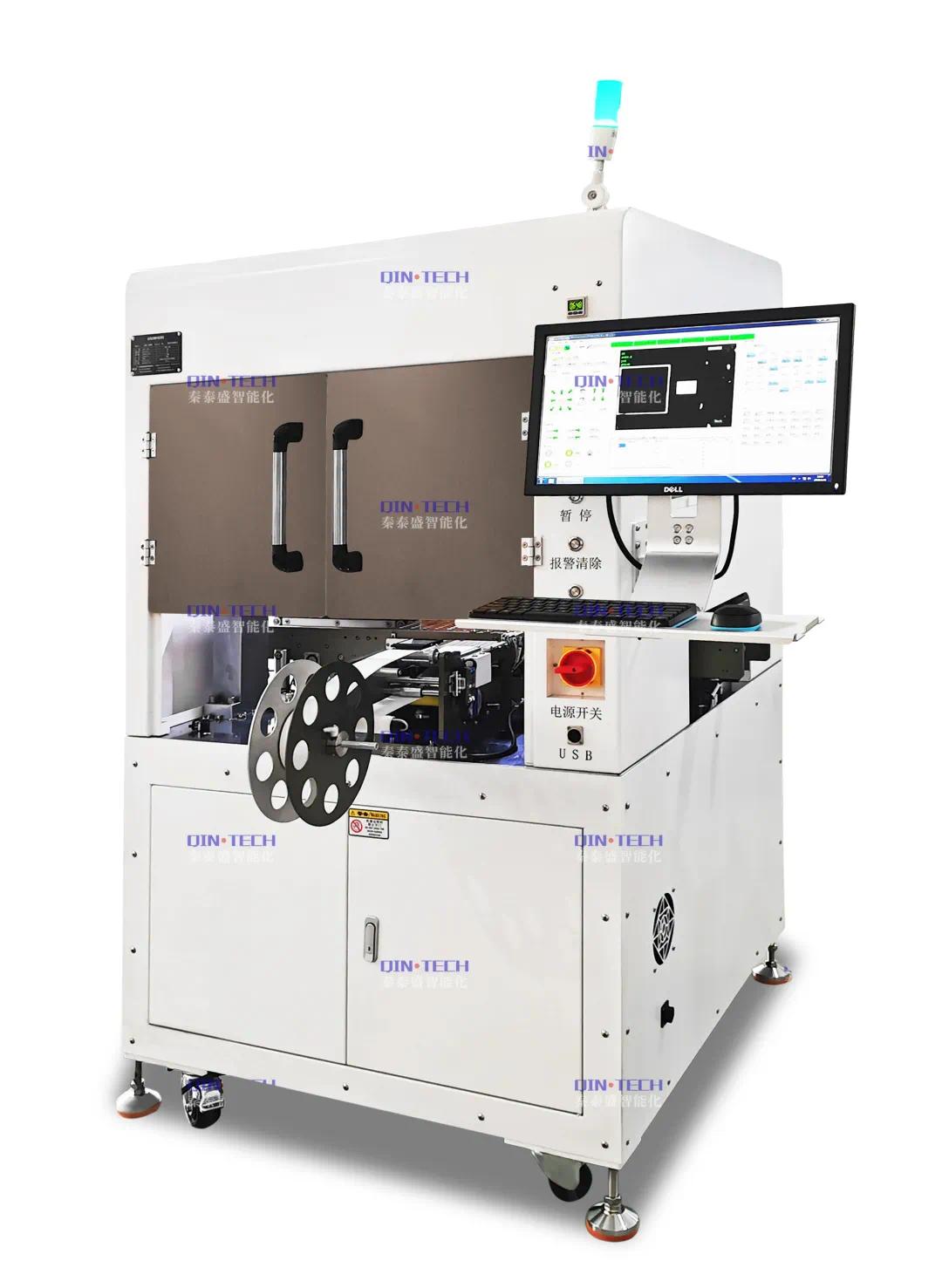

What is the difference between automatic labeling equipment with one or two Feeder feeds? In the field of automated production, automatic labeling equipment is widely used in many industries such as food, cosmetics, pharmaceuticals, and so on due to its high efficiency, precision, and flexibility. Among them, the feeding system is a key component of automatic labeling equipment, and single-feeder feeding and double-feeder feeding are two common feeding methods, each with unique advantages and applicable scenarios. This article will detail the difference between these two feeding methods in the automatic labeling equipment.
Single Feeder Feeding System Models Single Feeder Feeding System, as the name suggests, uses a single feeder to supply components or labels. This feeding method is relatively simple in structure and low cost and is suitable for production lines with a small scale or a single component type. The working principle of the single flyer feeding system mainly includes the following steps: 1. Component identification and positioning: through the built-in sensors or cameras to identify the type, size, and location information of components or labels, and transmit this information to the control system. 2. Control system command: The control system calculates the precise position of the component or label according to the received information and commands the labeling head to pick it up. 3. Component pickup and mounting: The labeling head moves to the specified position of the feeder according to the command of the control system, picks up the components or labels by vacuum adsorption or mechanical clamping, and then mounts them to the target position. The advantages of single-feeder feeding systems lie in their cost-effectiveness and simplified operation process, and they are suitable for scenarios where the requirements for production efficiency and precision are not particularly high. However, as production scales increase and component types diversify, single-flyer feeding systems may not be able to meet the demands of efficient and flexible production.
Two Feeder Feeding System Models In contrast, the Dual Fidelity dosing system utilizes two feeders working in parallel to significantly increase dosing efficiency and flexibility. The Dual Fidelity dosing system works similarly to the Single Feeder, but offers significant advantages in the following areas: 1. Increased productivity: Dual Fiducials feeding systems can handle two different components or labels at the same time, or work seamlessly through dual station rotation, thus dramatically increasing productivity. 2. Enhanced Flexibility: The dual feeder design allows the equipment to more flexibly adapt to different types and sizes of components or labels to meet diversified production needs. 3. Reduced waiting time: When a single feeder is suspended due to material changeover or malfunction, the other feeder can continue to work, reducing the waiting time of the production line and improving overall production efficiency. Although the Dual Fidelity feeding system is more costly, the increased productivity and flexibility it brings are extremely cost-effective for companies pursuing efficient, high-quality production. In addition, with the in-depth development of intelligent manufacturing and industrial Internet, the Dual Fidelity feeding system will further integrate intelligent technology to realize more efficient automated production.
To summarize, single feeder and dual feeder have their own advantages and disadvantages in automatic labeling equipment. A single-feeder feeding system is lower cost, simple to operate, and suitable for small-scale or single-component production lines; while the dual Feeder feeding system is more suitable for large-scale, diversified production lines with its high efficiency and flexibility. Enterprise's choice of automatic labeling equipment should be based on their own production scale, product type market demand, and other factors to consider, choosing the most suitable for their own feeding method. |



Official WeChat Phone Website